Taxes included.
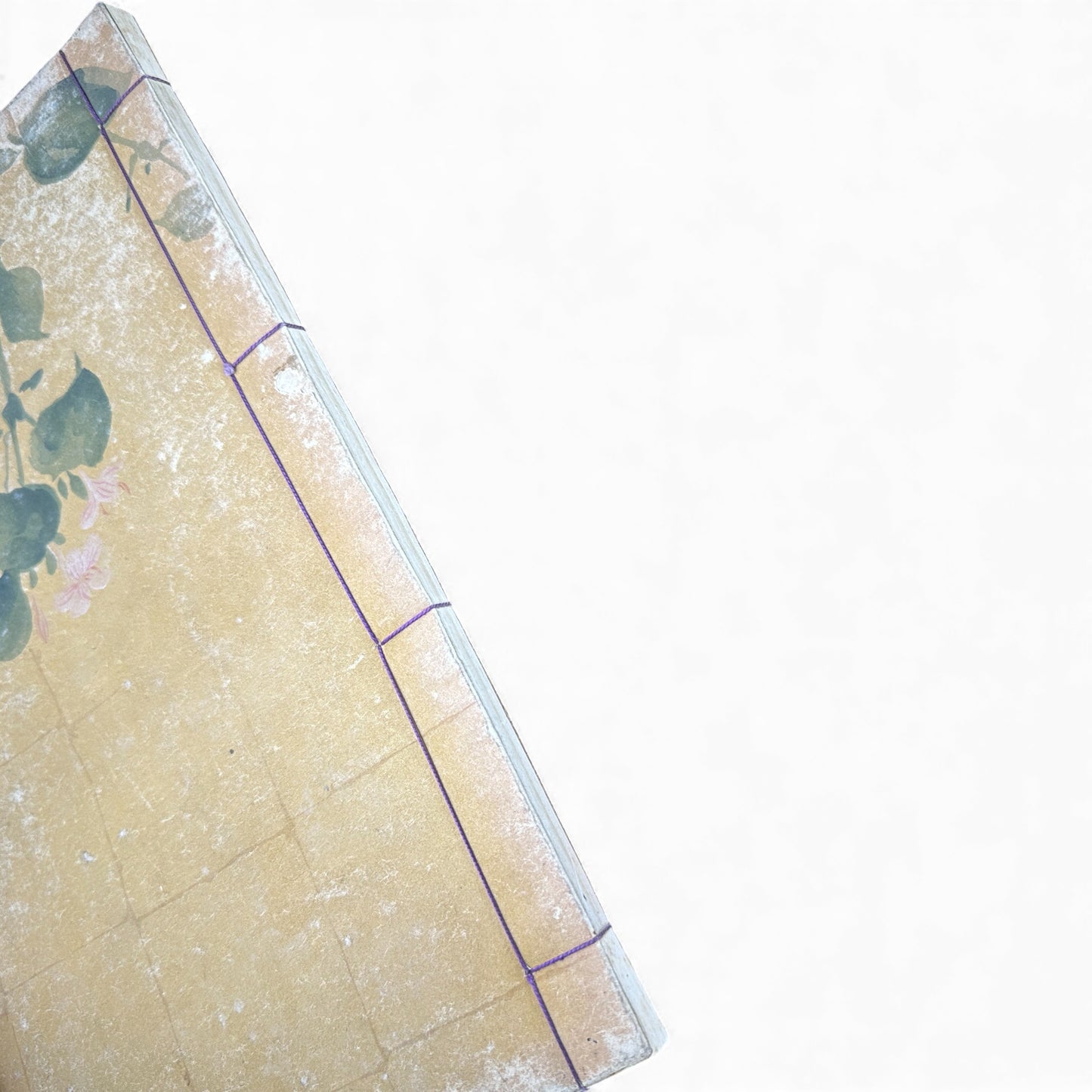
Discover Seirō Bijin Awase Kagami (青樓美人合姿鏡), an elegant Meiji-era Japanese woodblock-printed bijin-ga book featuring beautiful women in seasonal Autumn–Winter scenes. Printed in 1916, this volume showcases refined courtesans and geisha engaged in reading, tea ceremony, writing, and visiting shrines, all rendered in vibrant multi-color woodblock prints.
This book is valued for its historical documentation of Meiji fashion, kimono patterns, interior design, and feminine culture, blending classical ukiyo-e aesthetics with modern Meiji printing techniques. Complete volumes in clean condition are rare, as many were damaged or dismantled for framing. This book retains bright colors, sharp impressions, and intact pages, making it a highly desirable collectible for Japanese art lovers, ukiyo-e enthusiasts, and antique book collectors.
A beautiful and authentic piece of Japanese cultural history.
Highlights
-
Original Taisho-era Japanese book 1916
- Title: 青樓美人合姿鏡 – Seirō Bijin Awase Kagami (“A Mirror of Courtesans”)
- Contains numerous full-color woodblock illustrations
- Beautiful depictions of elegant women (bijin-ga) in seasonal scenes (autumn/winter volume)
- Fine printing, vibrant pigments, and detailed kimono patterns
- A wonderful example of Japanese printmaking transitioning from Edo to Meiji styles
- Perfect for collectors, framing, or artistic inspiration
- Rare and increasingly hard to find in this condition
Historical Significance
Seirō Bijin Awase Kagami (青樓美人合姿鏡), loosely translated as “A Mirror of Courtesans of the Green Houses,” belongs to the long tradition of bijin-ga (美人画) — artworks depicting beautiful women, often courtesans, geisha, or refined ladies of the pleasure quarters.
During the Edo and Meiji periods, the “Seirō” (青楼 / 青樓) referred to licensed pleasure districts such as Yoshiwara (Tokyo), Shinmachi (Osaka), and Shimabara (Kyoto). These places were not only entertainment quarters — they were major cultural centers, shaping fashion trends, literature, hairstyles, kimono design, and seasonal customs.
Books like this one were created for:
- Art appreciation
- Fashion reference
- Cultural entertainment
- Introducing seasonal trends in kimono & accessories
- Idealizing refined feminine beauty
This particular volume is the Autumn–Winter (秋冬) edition, showing women engaged in seasonal activities such as:
- Reading poetry
- Tea ceremony
- Writing letters
- Playing games (karuta, sugoroku)
- Enjoying autumn flowers (chrysanthemum, maple)
- Visiting shrines in winter
- Indoor seasonal rituals
It beautifully documents daily life, fashion, and cultural practices of upper-class women of the time.
Artistic Importance
.
This book shows:
- High-quality nishiki-e (multi-color woodblock printing)
- Very fine line work in hair and kimono patterns
- Soft shading (bokashi)
- Bright pigments typical of the late 19th century
- Western-influenced interior perspectives combined with classic Japanese motifs
It is both:
✔️ An art object
✔️ A cultural document of feminine life and pleasure-quarter aesthetics